
What a Hollywood-Standard Training Course Costs When AI Does the Heavy Lifting
Multi-location shooting is one of the biggest cost drivers behind a genuine high end training video. A high end training video traditionally costs $8,000 to $50,000 or more per finished minute, based on published production benchmarks. AI-assisted production brings that cost down sharply for most of the visual and editing work. The content underneath still needs the same expert check, no matter how good the finished video looks.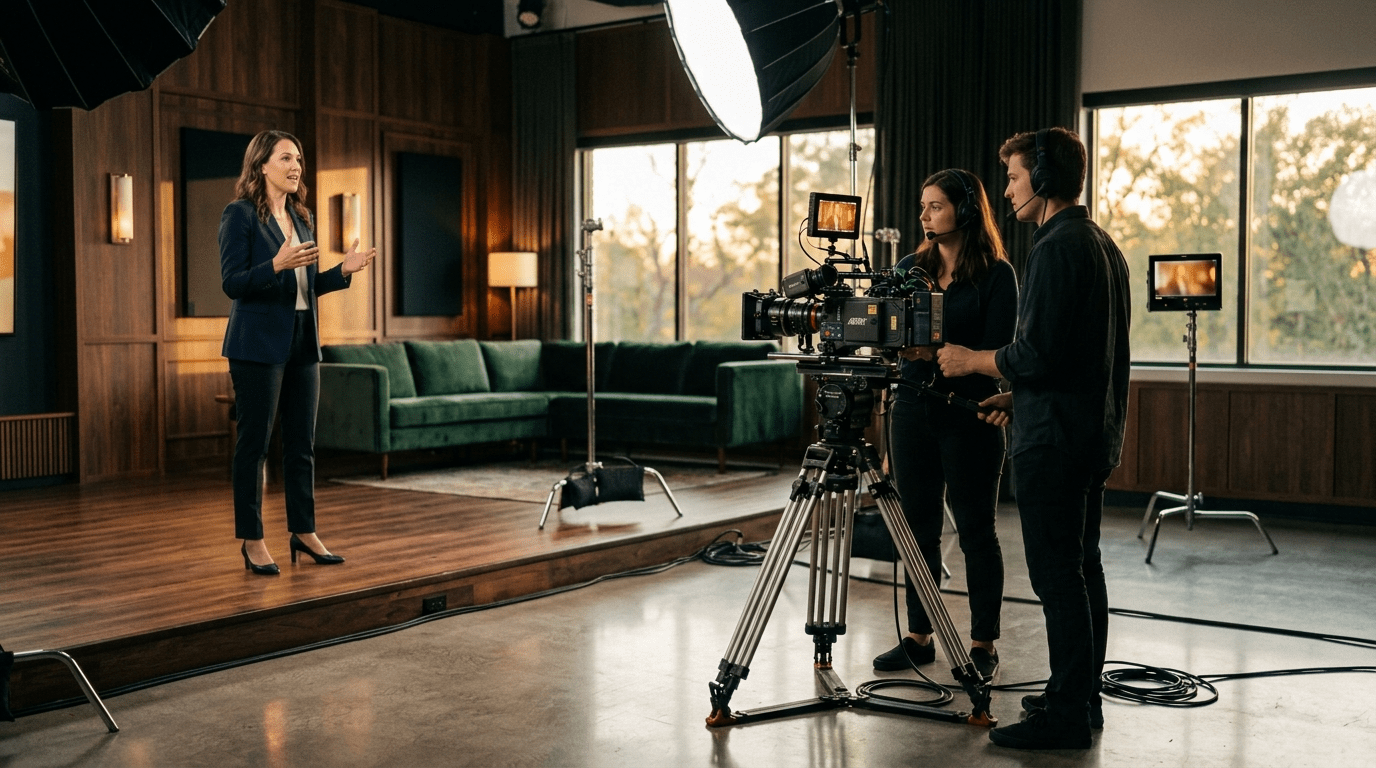
Why Buyers Are Asking About High-End Training Video Now
Training buyers have started comparing their course videos to streaming content, not to old corporate training tapes. That comparison used to be unfair. It increasingly is not.
Learners now watch broadcast-quality video everywhere else in their lives. A flat, low-budget training video stands out for the wrong reasons, and buyers know it hurts engagement.
The problem used to be cost. A high end training video required a real production budget, and most compliance training never got one.
Buyers across the UK, Ireland, US and Australia are asking the same question now that the cost picture has changed. Can training video finally look as good as everything else competing for a learner's attention, without the budget of a national ad campaign?
This question matters more each year. Learners compare everything they watch to the best video they saw that morning, whether that is fair to a training budget or not.
What "High-End" Actually Means for Training Video
The term gets used loosely, so it is worth being precise. A genuine high end training video involves specific production elements, not just a bigger budget line on an invoice.
Multiple locations, professional lighting design and colour grading separate premium work from a basic talking-head recording. Custom animation, licensed music and polished sound design add further cost and further visual quality.
Professional on-camera talent, rather than an internal subject matter expert reading from a script, is another marker of this style. None of this is required for effective training. It does change how a course feels to watch, though, and that feeling affects attention and completion rates.
None of these elements alone defines a high end training video. It is the combination, applied consistently across a whole course, that creates the premium feel buyers are actually chasing.
What Premium Elearning Production Traditionally Costs
Real numbers help more than a vague sense that "cinematic costs more." According to TriVision Studios' 2026 guide, brand films with creative concepting, multi-location shooting and polished post-production typically run $8,000 to $25,000 per finished minute. This is the traditional starting point for a genuine high end training video.
For the highest tier of commercial and brand film work, Vidico's 2026 pricing data puts complex, high-end production at $15,000 to $50,000 or more per finished minute. This tier includes multi-day shoots, professional talent and extensive post-production.
These figures explain why a high end training video has historically been reserved for flagship content only. A single CEO welcome video or one flagship induction course might get this treatment. An entire compliance library almost never did.
That scarcity is exactly what has changed. The gap between what a flagship video looked like and what a standard compliance module looked like used to be huge. It no longer has to be.
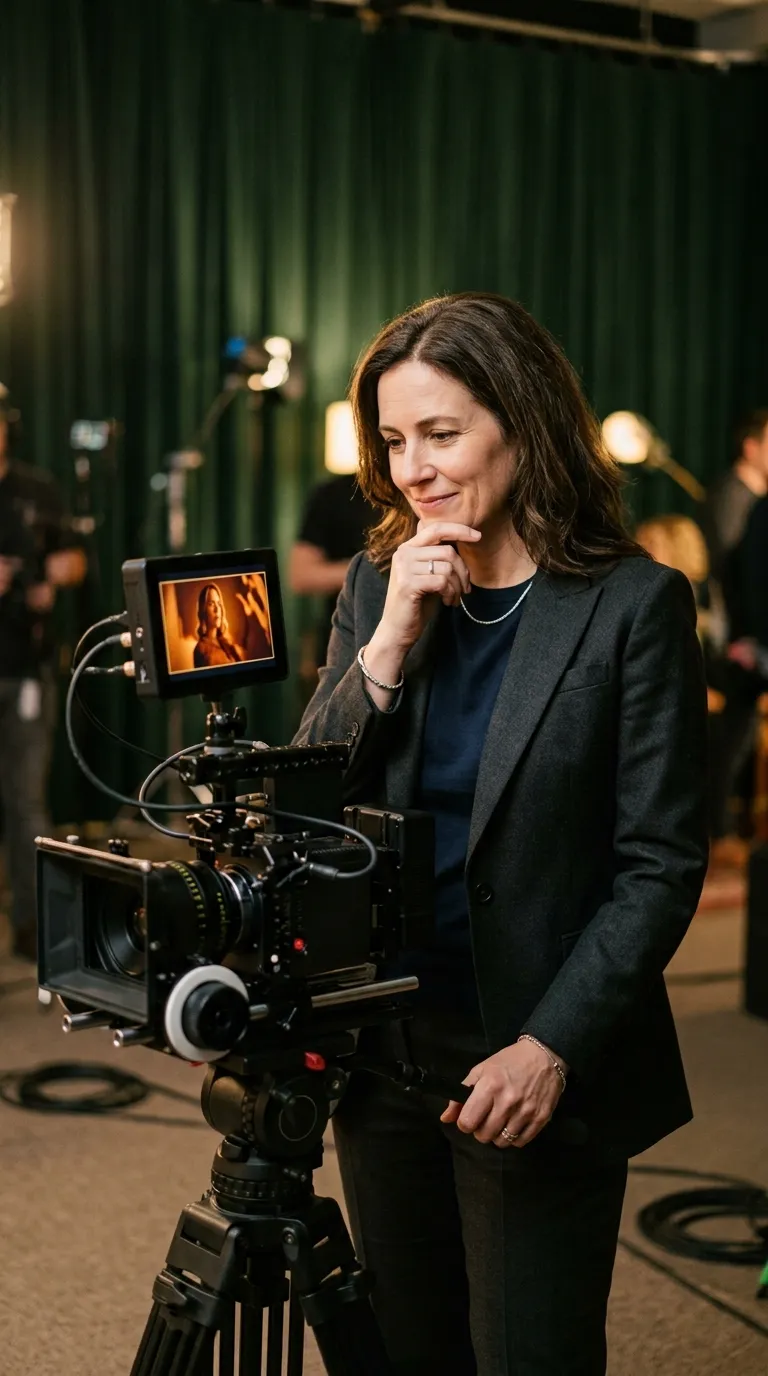
High End Training Video Studio Cost vs AI-Assisted Production
The comparison worth making is where the premium look actually comes from, not just the final invoice.
|
Factor |
Traditional High-End Production |
AI-Assisted Production |
|---|---|---|
|
Typical cost per finished minute |
$8,000 to $50,000+ |
Substantially lower for comparable visual polish |
|
Multiple visual locations |
Real locations, real travel cost |
Generated environments, no travel |
|
Colour grading and visual polish |
Skilled colourist, billed by the hour |
Consistent by default across a whole library |
|
Updating for a rule change |
Full reshoot at premium day rates |
Script edit and re-generation |
|
Professional presenter delivery |
Hired talent, usage rights and fees |
Consistent presenter across every course |
|
Content accuracy |
Depends entirely on the script |
Depends entirely on the script |
The last row never changes. A premium look has never told a buyer whether the underlying content is correct, no matter which method produced it.
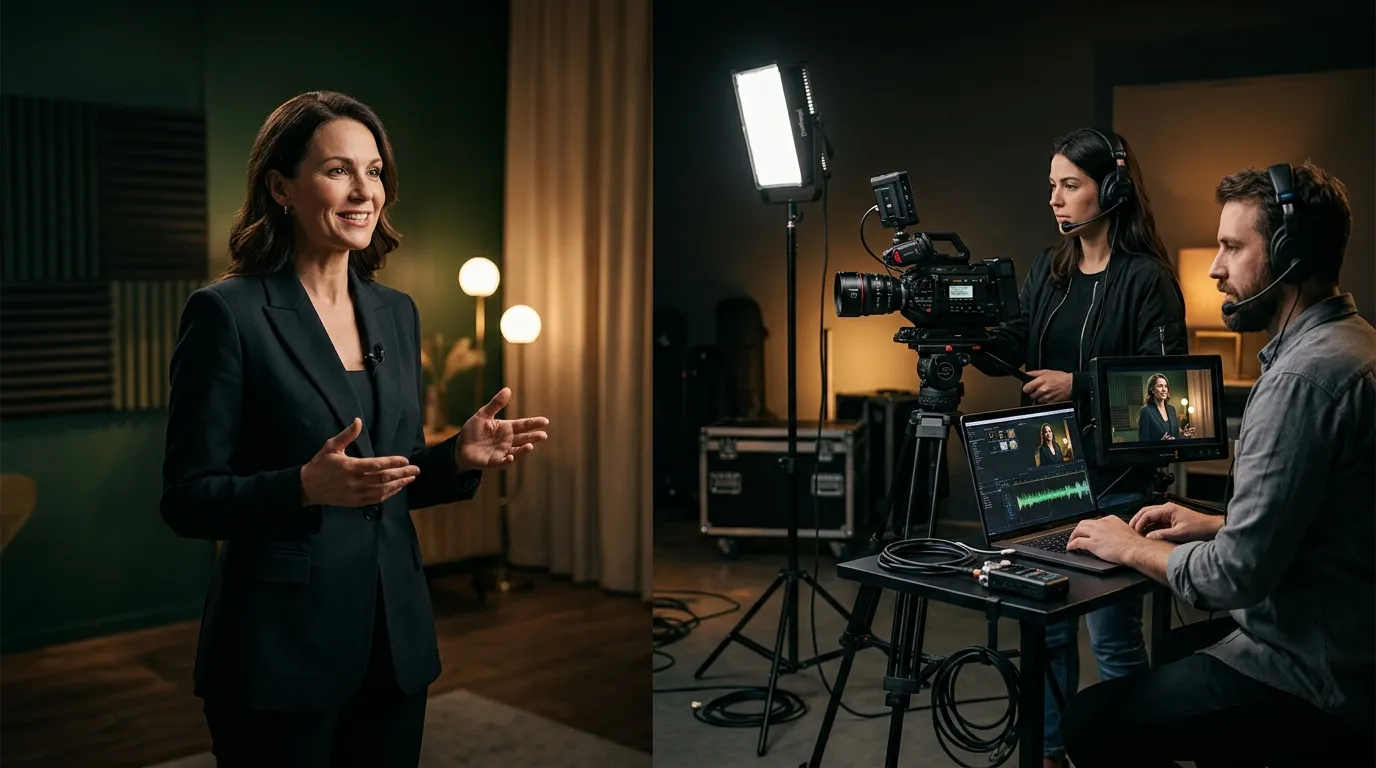

Where AI Still Can't Fully Replace High-End Production
Being honest about limits matters more than sounding impressive, especially at the premium end. AI-assisted production closes most of the cost gap. A few things still favour a real crew and a real location.
Genuine location variety, such as a real factory floor or a specific branded office, is still hard to replicate convincingly at scale. Multi-location shooting across genuinely different real-world environments remains a strength of traditional production that AI has not fully matched yet. Complex physical demonstrations involving fine hand movement remain a weak point, the same as for any AI-generated video.
A flagship brand film meant to represent an executive vision at the highest level may still justify traditional production. Most compliance and induction training does not need that level of bespoke craft to work well.
The honest answer is that a high end training video does not always need every element of traditional premium production to look and feel premium to a learner. Buyers should match the production tier to the actual content, not chase every premium feature by default.
Why Broadcast Quality Training Video Still Needs Expert-Checked Content
A broadcast quality training video can only be as trustworthy as the words the presenter says. Cinematic polish makes content feel more credible, whether or not that content is actually correct.
This works in exactly the wrong direction if the script has an error. A convincing, high-end presentation makes a wrong legal claim more likely to be believed and acted on, not less likely.
This is the real gap between an AI company selling visual polish as the whole pitch and a compliance specialist using premium elearning production within a checked framework. Picture quality is a production choice. Legal accuracy in the script is never optional.
Acornstar treats expert-validated, jurisdiction-specific content frameworks as the starting point. A high end training video gets built on content that has already been checked, not used to make unchecked content look more convincing than it should.
What This Means for Buyers Evaluating High-End Training Video
Ask any provider two direct questions. What specifically makes their production "premium," and does that premium standard apply to the script check as well as the finished picture?
Professional training video cost has come down sharply for most instructional content. Buyers no longer need the full $8,000 to $50,000 per minute budget once required for comparable visual quality. That saving is genuine, not a marketing claim.
What has not changed is the need for expert review before anything goes live. A high end training video built on an unchecked script is a more convincing way to deliver an error, not a safer one.
It also helps to ask how a provider handles updates once a premium-looking course library is live. A rule change should mean a script edit, not a return to premium day rates for a full reshoot.
Buyers who ask about the script check, not just the visual quality, end up with a high end training video that looks premium and holds up under scrutiny at the same time.
Frequently Asked Questions
How much does a high end training video typically cost with AI-assisted production?
Traditional premium production runs $8,000 to $50,000 or more per finished minute, based on published industry benchmarks. AI-assisted production reduces this substantially for most instructional content, though flagship brand films and complex physical demonstrations still often justify traditional filming for now.
What makes a training video count as broadcast quality rather than standard corporate video?
Broadcast quality training video typically involves professional lighting, colour grading, multiple locations and polished sound design. These elements affect how a course feels to watch, but they say nothing on their own about whether the underlying content is actually accurate or correct.
Is cinematic training content worth the extra cost for compliance training?
For most compliance and induction training, the answer is usually no. Visual polish helps engagement, but the content check matters far more for regulated training. Reserve premium production budgets for flagship content where visual impact is genuinely the primary goal.
Does a lower professional training video cost with AI mean a lower quality result?
Not necessarily. AI-assisted production removes much of the cost tied to crew, location and multi-day shoots, not the quality of the finished script or presentation. The real quality question is whether the content was properly checked before production began, regardless of method used.